From Seeds to Blooms: Watching Ideas Grow
Growth doesn’t happen overnight, and success isn’t just about having good ideas—it’s about implementing them, measuring their impact, and continuously refining our approach. What worked? What didn’t? Where do we need to adjust? Finding the right formula for long-term success means testing, learning, and evolving.
In this issue, we’ll explore the importance of tracking and measuring loyalty strategies and choosing the right KPIs to experiment with new tactics. We’ll discuss how to make loyalty programs functional and truly effective.
Because the most essential part of this journey isn’t just starting, it’s the relentless pursuit of what works best.
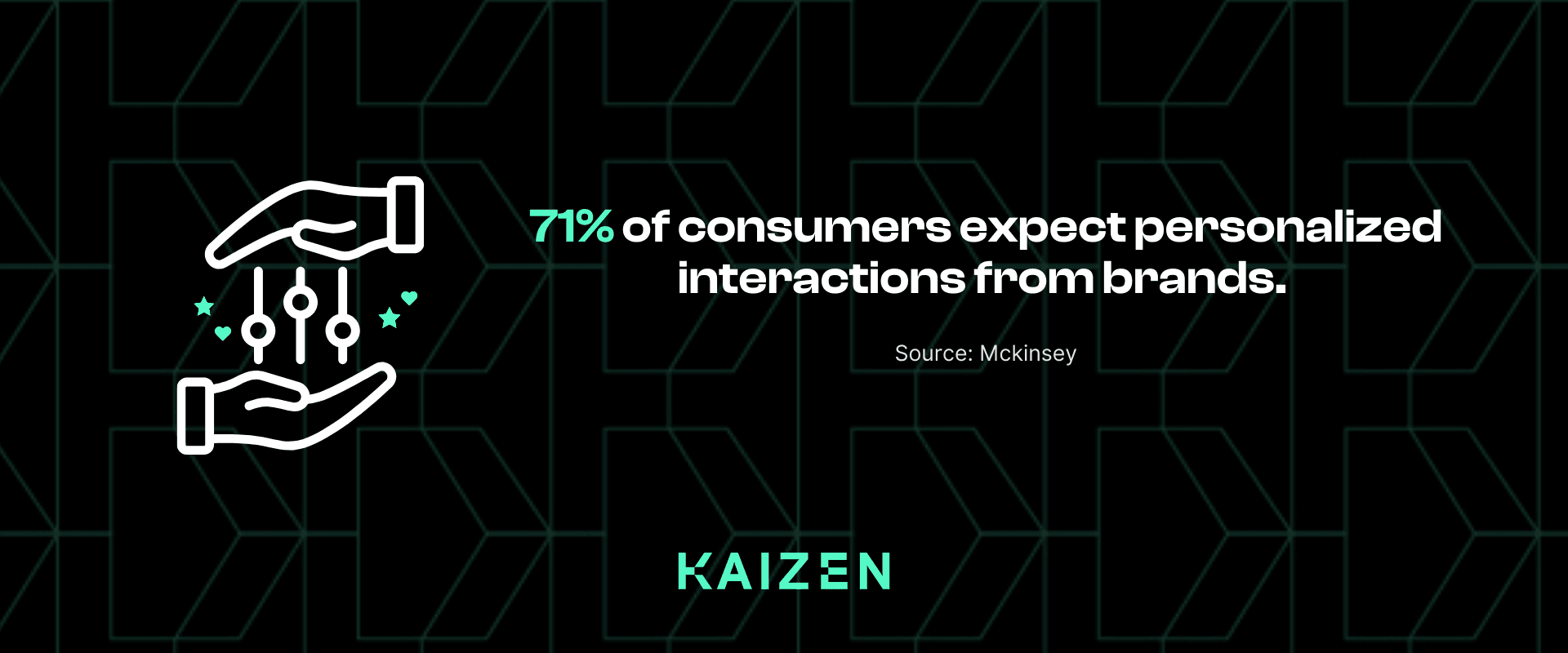
To make loyalty programs truly effective, brands need to go beyond great ideas and focus on tracking their impact. Since 71% of consumers expect personalized interactions, understanding what works and what needs improvement is key.
Measuring loyalty strategies helps businesses fine-tune their approach, ensuring they adapt to customer expectations. Just like testing an MVP, evaluating loyalty efforts along the way makes it easier to adjust and grow. Success comes not just from starting strong but from continuously learning, refining, and watching those ideas turn into lasting results.
MVP: Measure Success Before Launch
Businesses face a critical decision when launching a new product, service, or strategy: How do we know if our idea will resonate with our audience? This is where the concept of a Minimum Viable Product (MVP) comes into play.
An MVP is a scaled-down version of your product or strategy, designed with just enough features to test its viability. Instead of committing to a full-scale launch, the MVP approach allows businesses to gather honest user feedback before investing heavily in development. This helps minimize risks, optimize resource allocation, and refine the offering based on actual market response.
Think of it as a “test run” for your business idea. It’s your first step to gauge how your audience will react.
- Using an MVP is the same as testing the waters with a low-risk product version to ensure the full strategy aligns with your audience's expectations.
If your audience responds positively to your MVP, it’s a signal to go ahead and scale the entire strategy. If not, the feedback helps refine the concept, saving both time and money. It’s the perfect way to measure initial success before fully committing to a broader launch.
Read more: Building a Minimum Viable Product (MVP) for Loyalty Programs: A Strategic Approach
News From Loyalty World
From Songs to Full Albums: Spotify’s MVP Journey
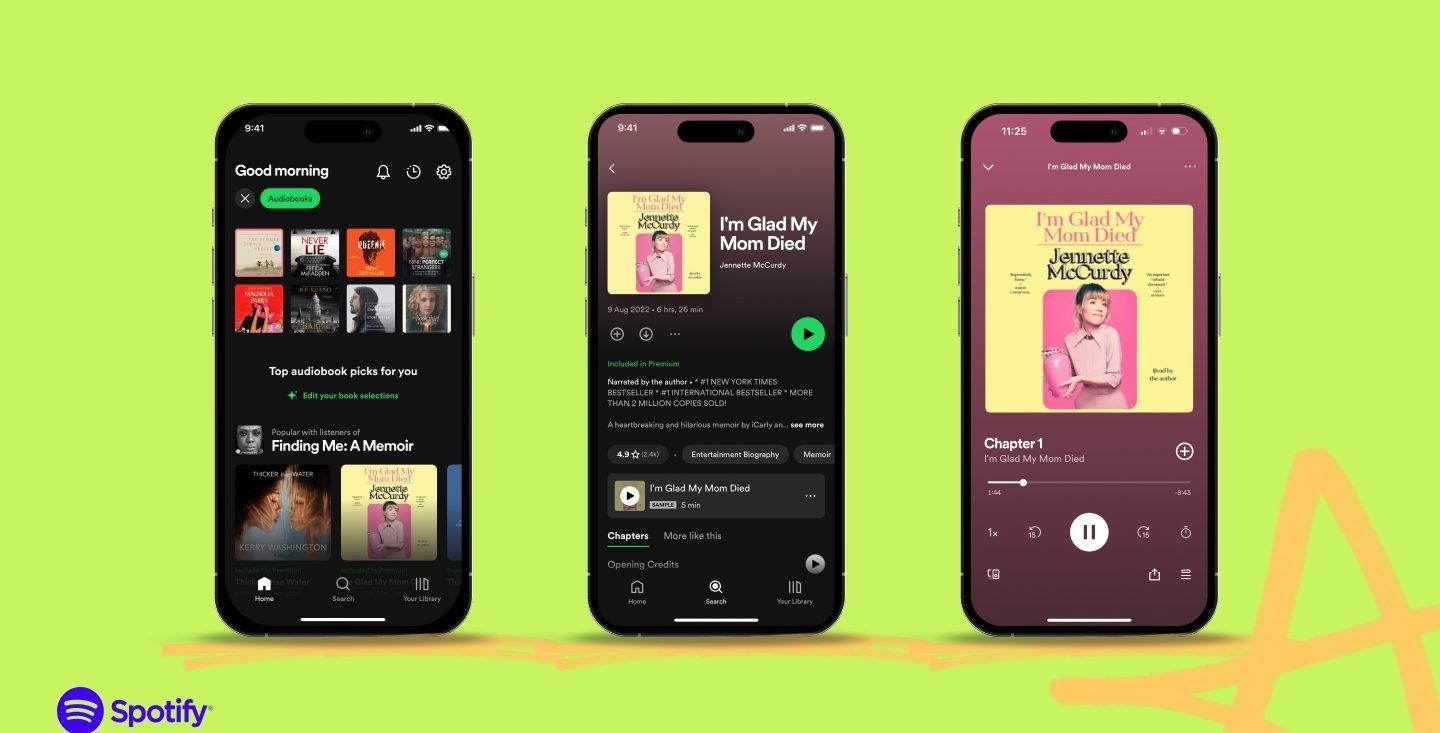
Source: Spotify
Spotify’s launch of its MVP (Minimum Viable Product) was a key factor in its success. By focusing on a simple yet effective core value proposition — providing legal music streaming — Spotify was able to address a gap left by services like Napster, which had been shut down due to legal issues.
This early version of the platform didn't have all the features that are now standard, but it solved a significant problem, offering users a legal, accessible way to stream music. The MVP allowed Spotify to collect crucial user feedback, enabling the company to iterate and improve the service over time. Instead of investing massive resources into a fully-featured product right away, Spotify released a lean version and tested the market, refining the platform based on actual user behaviour and needs.
This approach also helped Spotify establish partnerships with major record labels early on, giving the platform the credibility it needed to scale. By keeping the product focused on the essentials (like a vast music library and user accessibility), Spotify could build its foundation before introducing more advanced features like personalized recommendations or podcasts.
Ultimately, the MVP strategy allowed Spotify to minimize risks, attract early adopters, and lay the groundwork for its eventual dominance in the music streaming industry.
Best thing Spotify did? Hands down, to launch an MVP to collect and analyze user data!
Read more: The history of Spotify - Soundiiz Blog
Airbnb's Successful Journey Started with an MVP

Back in the early 2000s, with the economy facing some tough times, renting out rooms became a way for people to make ends meet. From spare bedrooms to living rooms and even kitchens, many opened their homes to strangers to earn extra cash. This was the case for two students who, struggling to make rent one month, decided to rent out their living room to a random person. The experience wasn't without its challenges, but it sparked an idea: what if there was a platform that connected homeowners with people looking for a place to stay? And so, 'air, bread, and breakfast' was born—the humble beginning of what we now know as Airbnb.
They launched their product in 2008, a bare-bones website with just a few photos of their living room, offering travelers a place to stay during a major conference. This MVP, though humble, addressed an immediate need and allowed them to gather valuable user feedback.
Over time, Airbnb used this feedback to refine and expand its features, adding options like ‘Experiences,’ ‘Adventures,’ secure payment systems, and reviews for both guests and hosts. Instead of waiting to perfect the product, Airbnb focused on delivering a functional solution that could grow with the market.
By starting with an MVP and iterating based on real-world data, Airbnb transformed from a small rental service into a global platform with over 7 million listings across 220 countries.
Amazon: Prime-ing the Loyalty Pump!
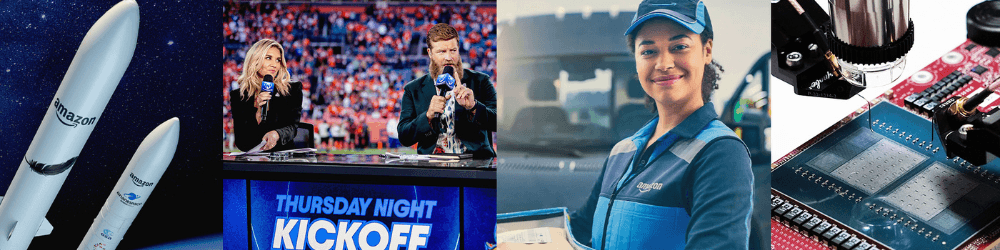
Amazon’s approach to loyalty has always been built on the concept of MVP, where every new feature or service was tested on a smaller scale before a full launch. Rather than going all-in with a complex offering,
Amazon introduced simple features like free shipping to Prime members, resonating with customers and creating a foundation for a multi-faceted loyalty program.
- This initial MVP allowed Amazon to collect valuable data, fine-tune their offerings, and ensure they were addressing the right customer needs.
For example, Amazon Prime’s launch in 2005 was a relatively simple membership program, offering free two-day shipping. But instead of overwhelming customers with an entire suite of services, Amazon slowly built out additional benefits over time. Features like Prime Video, Prime Reading, and the creation of Prime Day were all tested and rolled out gradually, ensuring Amazon could understand how each component impacted the customer experience before fully committing to it.
By starting with MVPs and progressively refining them, Amazon could meet customer expectations, adapt to changing preferences, and keep engagement high. Each step in Amazon's loyalty journey was carefully calculated—beginning with basic offerings, testing those offerings, gathering feedback, and continuously enhancing the program to add more value for members.
They minimized risks while ensuring innovation. More than a shipping service, a lifestyle choice for millions, it has become!
Unpacking Amazon’s Prime Strategy: How Prime Membership Boosts Loyalty and Sales
Loyalty Tip of the Month
Not all customers engage in the same way, but some are on the verge of spending more.
By tracking key metrics like purchase frequency, tenure, and overall spend, you can identify customers who are just below their cohort's average, signaling untapped potential. These are the customers who, with the right engagement, can be encouraged to level up their loyalty and spending.
Segmenting your customers based on their value allows you to create tailored strategies for each group. By targeting these high-potential customers with the right incentives, you not only boost retention but also maximize your return on investment.
Recognizing who’s ready to make the leap is the key to sustainable growth. It’s about being proactive and offering personalized engagement that taps into this potential.
Keep following Kaizen Technology for more loyalty tips!
Insight of the Month
80% of customers say that the shopping experience is just as necessary as the products and services themselves.
Creating a seamless experience across physical and digital spaces is essential for fostering loyalty. In today’s landscape, even Gen Z—often associated with digital-first shopping—values the in-store experience just as much as online interactions.
To build trust and enhance customer loyalty, aligning your digital and physical stores is crucial. By unifying your approach, you can provide your customers with a more consistent and personalized experience. Embrace newer technologies that support this connection, offering digital experiences in-store and ensuring that online shoppers feel the same level of convenience and engagement.
Hyper-personalizing your strategy across both platforms will ensure that customers feel valued at every touchpoint—whether they’re shopping online or in person. Integrating digital and physical shopping experiences will help strengthen your loyalty program and build long-term customer trust.
Source: What Are Customer Expectations, and How Have They Changed?
Welcome to Your Loyalty Calendar: Spring Edition!
Our Loyalty Calendar is here to inspire you with fresh ideas to celebrate these special days and strengthen your customer relationships.
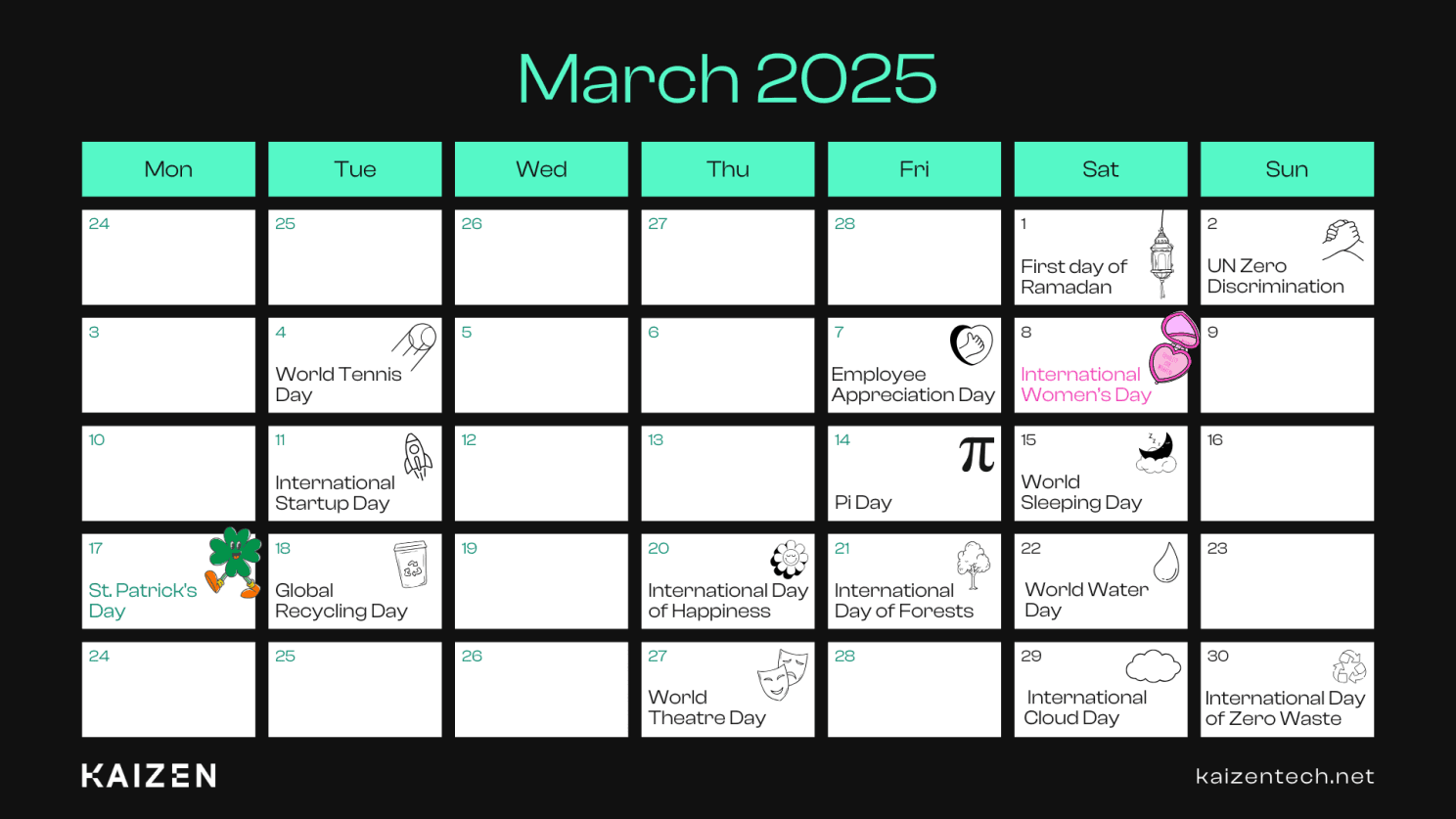
Stay tuned for more loyalty tips, insights, and updates! Don't miss out on the latest in the world of loyalty—subscribe and share our newsletter to spread the word!